Jaw Pain Relief Alternatives Your Dentist May Recommend
Jaw pain has a way of taking over your day. One moment you are chewing normally, the next you feel a sore, tight ache near the joint, or a deep throb that makes you avoid closing your mouth all the way. When people say “my jaw hurts,” they are often describing a symptom with multiple possible dental causes. Sometimes it is connected to tooth inflammation or a spreading infection, and sometimes it is related to how the teeth and jaw are working together.
Dentists see this pattern constantly, and they also see how frustrating it can be to hear vague advice like “rest it” or “just take pain meds.” The good news is that jaw pain treatment options often start well before any surgical discussion. Many non invasive jaw pain relief approaches can reduce pain, calm irritated tissues, and address the underlying dental driver.
First, make sure it is truly a dental cause
When jaw pain shows up, the most important step is figuring out what is actually generating the pain. I have watched patients assume the soreness is “just muscle,” only to discover a tooth problem that was quietly setting off inflammation. The reverse also happens, where someone assumes it is an infection and ends up needing joint and bite support instead.
A dental exam can help sort the possibilities by looking at symptoms and signs that point toward teeth, gums, or jaw function. Your dentist may consider:
What a dentist looks for during jaw pain evaluation
- Tenderness when pressing near a specific tooth or gumline
- Pain that increases with biting down or tapping a tooth
- Swelling, bad taste, or tenderness in the gum pocket near a tooth
- Clicking, popping, or stiffness in the jaw joint
- History of clenching, grinding, or sudden changes in bite after dental work
In some cases, jaw pain can be linked to an abscess or deeper infection. In those situations, ignoring the dental source only prolongs discomfort and increases the odds of a larger problem. In other cases, the pain is more consistent with tooth wear, bite imbalance, or jaw muscle strain. The treatment choices then shift accordingly.
Non invasive jaw pain relief dental methods for jaw pain
If your dentist suspects the pain is related to irritated tissues, bite overload, or early inflammation, the first phase is usually calming things down and restoring function. These alternatives to jaw surgery dentist teams often recommend are practical, and they tend to come with clear checkpoints so you know whether you are improving.
One common starting point is reducing the forces that are aggravating the area. That can be as simple as limiting hard foods for a short stretch, but dentists usually want more targeted approaches for lasting relief.
Common non-surgical approaches your dentist may recommend
- A short-term bite adjustment plan to reduce pressure on a specific tooth or area of the jaw
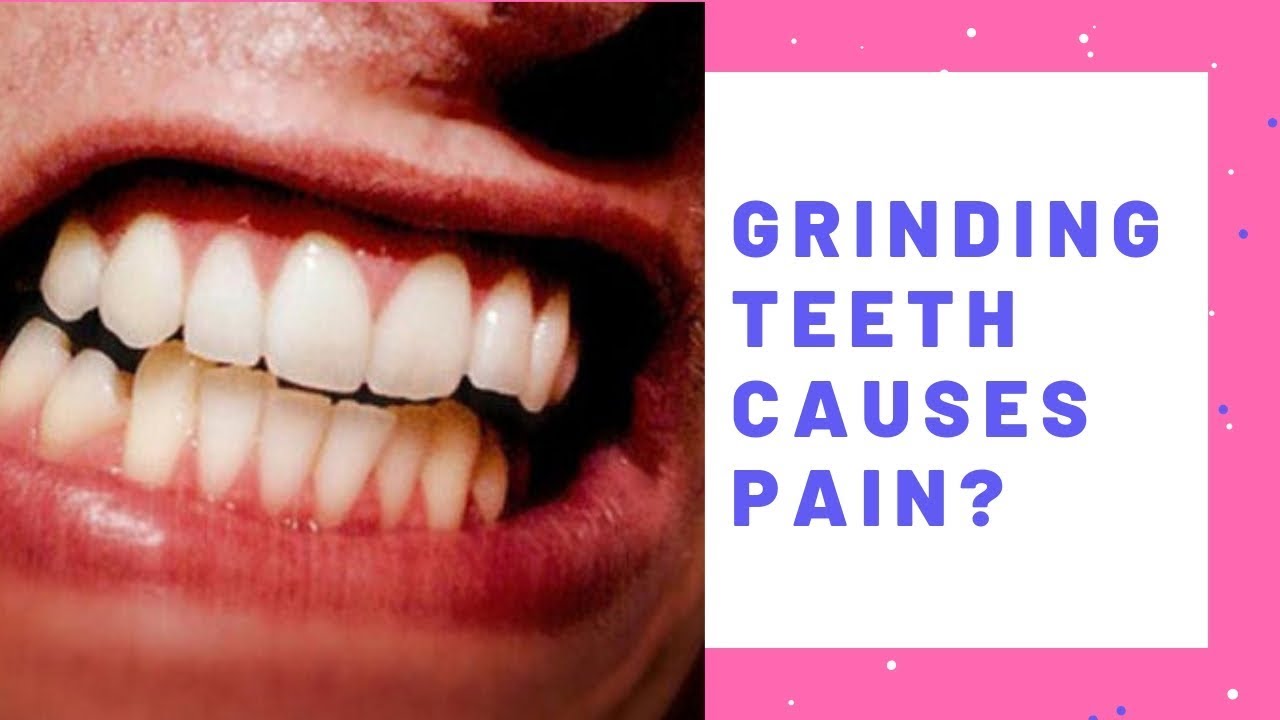
- A custom night guard if clenching or grinding is likely
- Anti-inflammatory strategies, which may include prescription options when appropriate
- Treating any active gum or tooth infection first, when tenderness or swelling suggests infection
- Temporarily modifying how a dental restoration contacts your bite, if relevant
I want to highlight the logic behind these choices. For example, if you clench at night, your jaw muscles and jaw joint can get trapped in an overworked rhythm. A night guard does not “cure” the habit in a moral sense, but it does reduce the impact forces. Many patients feel noticeable relief once the biting load stops hitting the same sensitive spots every night.
Bite adjustment and restoration contact changes also matter. If a filling, crown, or new alignment shifts how your teeth meet, it can create a micro overload. That overload can refer pain to the jaw, especially if one contact is slightly too high. When your dentist finds and corrects that mismatch, the pain can ease surprisingly quickly, as long as the underlying tissue irritation has not progressed too far.
When the cause is infection, the pain relief plan changes
Jaw pain and infections can travel together. Sometimes the pain is localized and sharp, and sometimes it feels more like a deep ache that makes your whole jaw feel “heavy.” If a tooth or gum infection is involved, pain relief alone is not the goal. Pain control is important, but the dental source has to be addressed.
Your dentist may recommend steps such as draining a collection if one is present, performing a root canal if the nerve is involved, treating gum infection, or removing a tooth when it cannot be saved. The goal is to stop the inflammatory cascade that is feeding the pain.
One practical detail that often helps patients cope while treatment is underway is understanding what to expect between visits. A dentist might prescribe medication, recommend gentle care, and set time frames based on the infection type. If you are given a specific interval to reassess and your symptoms are not improving, that is a signal to contact the office promptly rather than waiting it out.
A patient story I hear often is, “The pain went down after the first treatment, but it came back when I returned to chewing.” That pattern can occur when the source is partially addressed, or when the bite overload still exists. That is why dentists approach jaw pain relief as a combined plan: infection control when needed, plus mechanical support or bite balancing when the chewing forces are part of the problem.
Jaw pain treatment options when the joint is involved
Not all jaw pain is tooth-driven. Joint-related discomfort can feel different. People often describe stiffness in the morning, pain near the ear area, or soreness when they open wide. Some notice clicking that comes with tenderness, not just a sound.
For joint-related jaw pain, dentists tend to favor alternatives that reduce strain and help the jaw move more smoothly. The emphasis is on lowering load and improving coordination between the teeth.
Practical, dentist-guided steps that often help
- Warm compresses to relax the jaw muscles, especially before gentle movement
- Short-term dietary softening to avoid prolonged stretching or repeated hard chewing
- Consistent use of a night guard when grinding or clenching contributes
- Post-treatment bite checks to prevent new high spots from forming
- Follow-up visits to confirm symptoms are trending the right way
Trade-offs matter here. Warm compresses can feel great, but if there is active infection or significant swelling, heat is not always the best choice. https://emergencydentistmaidenhead.co.uk That is why dentists ask specific questions and check for signs of inflammation. Also, if a night guard is recommended, it is not optional in the sense that you can ignore it and still expect steady results. The guard is usually part of a structured plan, not a random extra.
There is also the question of how much movement is safe. Many people push through pain and try to “stretch it out.” Dentists usually prefer gentle, controlled motion within tolerable limits rather than forcing the joint. If the pain spikes after movement, that is information, not failure.
Alternatives to jaw surgery that still feel thorough
When someone asks about alternatives to jaw surgery dentist teams might recommend, what they usually want is reassurance: “Is there anything else we can try first?” The answer is yes, in many cases, but the best path depends on cause. Surgery is not a first step for most dental-related jaw pain situations. Dentists typically start with a diagnosis-driven plan, meaning the approach changes based on whether the pain is tooth inflammation, gum infection, bite overload, muscle strain, or joint irritation.
A thorough non-surgical plan also includes timing. Dentists often give patients a clear sense of what improvement should look like within days versus weeks. If pain persists without change, it signals either an untreated driver or a misidentified source. That is when reassessment, additional imaging when appropriate, or adjustment of the bite support strategy comes into play.
Even when surgery eventually enters the conversation for a small subset of patients, it usually follows a careful sequence of non invasive jaw pain relief attempts. Those steps reduce symptoms, gather diagnostic information, and sometimes eliminate the need for escalation altogether.
If your jaw pain is waking you up, limiting what you can chew, or coming with a toothache feeling or swelling, do not treat it like a mystery you have to endure. The fastest relief often comes from the most direct question: which dental factor is driving the pain right now? Once you know that, the jaw pain treatment options become much clearer, and the path to recovery feels a lot less uncertain.